Invoicing
How to Track Income and Expenses Without Spreadsheets
Learn how to manage your income and expenses without relying on spreadsheets. Discover a simpler, more efficient way to stay organized and in control of your finances.

By
Bennett Lio
Date

Introduction
Tracking income and expenses is essential for any freelancer or business, but relying on spreadsheets can quickly become overwhelming. Manual data entry, formula errors, and lack of real-time updates make spreadsheets inefficient for growing financial needs.
In this guide, you’ll learn how to track your finances more effectively—without using spreadsheets.
Why Spreadsheets Fall Short
Spreadsheets are useful at the beginning, but they come with limitations. They require constant manual updates, are prone to errors, and don’t provide a clear real-time overview of your financial situation. As your business grows, managing multiple sheets becomes time-consuming and difficult to maintain.
Use a Dedicated Bookkeeping Tool
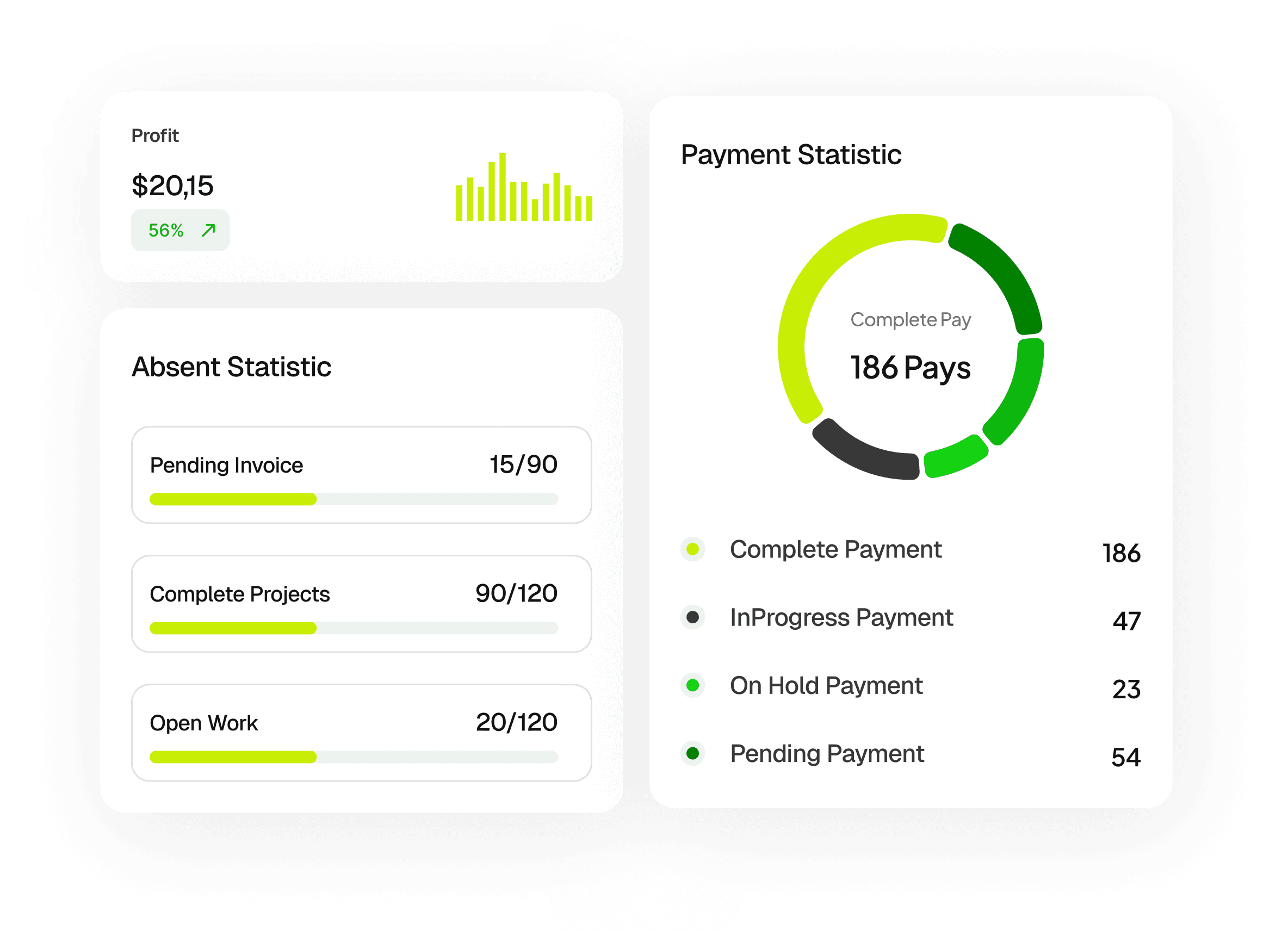
The easiest way to replace spreadsheets is by using a bookkeeping platform. These tools automatically track your income and expenses, categorize transactions, and provide a clear dashboard view.
Instead of manually updating rows and formulas, everything is handled in one place, saving time and reducing mistakes.
Automate Your Transactions
Modern tools allow you to automate transaction tracking. You can connect payment systems or manually log entries in a structured way.
Automation ensures that:
your data stays updated
you reduce manual work
you avoid missing transactions
Categorize Income and Expenses
Organizing your finances into categories helps you understand where your money is coming from and where it’s going.
For example:
Income → client payments, subscriptions
Expenses → tools, marketing, operations
Clear categorization makes reporting and decision-making much easier.
Track Everything in Real Time
One of the biggest advantages of moving away from spreadsheets is real-time visibility. Instead of waiting to update files, you can instantly see your current financial position.
This helps you:
monitor cash flow
identify trends
make faster decisions
Generate Reports Easily
With a proper system, you can generate reports like profit and loss, expense summaries, and income breakdowns in seconds.
This eliminates the need for complex formulas and manual calculations.
Stay Consistent
Consistency is key to effective bookkeeping. Whether you update daily or weekly, using a structured system ensures your financial data remains accurate and reliable.
Conclusion
Spreadsheets may work in the early stages, but they are not built for long-term financial management. By switching to a dedicated bookkeeping system, you can save time, reduce errors, and gain better control over your finances.
The goal is simple: spend less time managing data and more time growing your business.